Serving Durham and Surrounding Areas


Why Your Duke Park Home’s Old Furnace Isn’t Keeping Up This Durham Winter
When winter temperatures drop in Durham, North Carolina, homeowners rely on their heating systems to keep indoor temperatures comfortable. In Duke Park, an established neighborhood known for its older homes, aging furnaces can sometimes struggle to keep up with colder weather. If your furnace runs constantly, blows lukewarm air, or leaves certain rooms feeling chilly, you may be wondering whether the problem involves the heating equipment or your home’s overall efficiency.
Although older furnaces can experience mechanical wear and declining reliability, not every heating problem requires replacing the entire system. Restricted airflow, thermostat issues, ductwork problems, and inadequate insulation can all contribute to poor heating performance.
In this guide, we’ll explain why an old furnace may not be heating your Durham home properly, identify common warning signs, explore repair and replacement considerations, and share practical ways to improve winter comfort in your Duke Park home.
Why Do Older Furnaces Struggle During Durham Winters?
Durham winters often bring fluctuating temperatures, with relatively mild afternoons followed by freezing overnight conditions. While the region doesn’t typically experience the prolonged extreme cold found in northern states, sudden temperature drops can increase heating demand and reveal existing furnace problems.
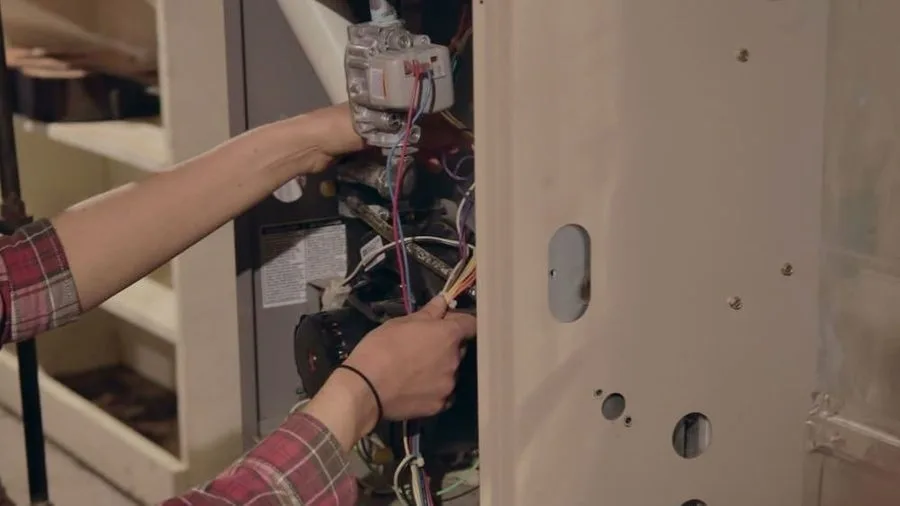
As furnaces age, mechanical and electrical components may begin to wear. Blower motors, ignition systems, sensors, and controls can develop problems that interfere with normal heating operation.
Common reasons an aging furnace may struggle include:
-
Worn components: Aging motors, controls, and other parts can affect heating performance and reliability.
-
Restricted airflow: Dirty filters or blocked ducts may prevent warm air from circulating properly.
-
Ignition problems: Malfunctioning ignition components can interfere with heat production in gas furnaces.
-
Thermostat issues: Faulty controls or incorrect settings may prevent the system from responding properly.
-
Ductwork problems: Leaks and restrictions can reduce the amount of heated air reaching living spaces.
-
Increased heating demand: Colder outdoor temperatures may expose performance limitations that aren’t noticeable during milder weather.
Furnaces don’t automatically lose efficiency at a predictable rate simply because they get older. Equipment condition, maintenance history, and operating demands all influence performance.
For Duke Park homeowners, identifying the actual cause of poor heating is essential before deciding whether repairs or replacement are necessary.
Is Your Furnace Running Constantly but Not Heating Your Home?
A furnace that runs for extended periods without reaching the thermostat’s set temperature may be struggling to meet your home’s heating needs. While longer heating cycles can be normal during especially cold weather, a system that consistently fails to maintain comfortable temperatures deserves attention.
One common cause is restricted airflow. When a dirty filter or blocked duct limits air movement, the furnace may struggle to distribute heat effectively throughout the house.
Thermostat problems can also contribute to excessive operation. Incorrect temperature readings or malfunctioning controls may cause the system to run longer than necessary or cycle improperly.
Other potential causes include duct leakage, equipment malfunctions, or a furnace that isn’t sized correctly for the home’s heating needs. Excessive heat loss through poorly insulated walls, attics, or drafty windows can also make an otherwise functional furnace work harder.
If your furnace runs continuously but indoor temperatures remain uncomfortable, professional heating service can help determine whether the problem involves the equipment, airflow, or the home itself.
Why Are Some Rooms in Your Duke Park Home Colder Than Others?
Uneven heating is a common concern in established neighborhoods where homes have undergone renovations or changes over time. Duke Park includes properties built across different decades, and their insulation, ductwork, and heating configurations can vary considerably.
Some rooms may receive adequate warm air while others remain noticeably colder. This doesn’t necessarily mean the furnace is failing, as the problem may involve how heat moves through the home.
Potential causes of uneven heating include:
-
Inadequate insulation: Gaps in insulation can let heat escape more quickly from certain rooms.
-
Drafty windows and doors: Air leaks can create uncomfortable cold spots.
-
Leaky ductwork: Heated air may escape before reaching its intended destination.
-
Blocked vents: Furniture, rugs, or other objects can restrict airflow.
-
Poor airflow balancing: Some rooms may receive less heated air than others.
-
Home additions: Renovations or expanded living spaces may change heating requirements.
-
Thermostat placement: A thermostat located in a warmer area may not reflect temperatures throughout the house.
For example, a bedroom far from the furnace may remain chilly because of duct leakage or inadequate airflow. Replacing the furnace alone may not resolve that issue if the distribution system remains unchanged.
A comprehensive heating evaluation can help determine whether repairs, ductwork improvements, insulation upgrades, or equipment replacement would be the best solution.
What Warning Signs Mean Your Old Furnace Needs Repair?
An aging furnace may show warning signs before a complete breakdown. Recognizing changes in heating performance can help homeowners address problems before another stretch of freezing weather arrives.
Common signs that professional furnace repair may be necessary include:
-
Unusual noises: Banging, rattling, squealing, or grinding sounds may indicate mechanical problems.
-
Lukewarm or cold air: Airflow without adequate heat can suggest ignition, control, or other equipment issues.
-
Frequent short cycling: Repeatedly turning on and off may indicate airflow restrictions or control problems.
-
Weak airflow: Reduced air movement can result from blower, filter, or ductwork concerns.
-
Difficulty starting: Delayed or unsuccessful heating cycles may indicate ignition or electrical issues.
-
Unexpected shutdowns: Safety controls or malfunctioning components may interrupt normal operation.
-
Inconsistent temperatures: Difficulty maintaining the thermostat setting can indicate several possible problems.
-
Unusual odors: Persistent burning smells or combustion-related odors require prompt attention.
Some furnaces produce a brief dusty smell when heating is first used after an extended period of inactivity. However, persistent burning odors, smoke, or suspected combustion problems should never be ignored.
If you suspect a gas leak or carbon monoxide problem, leave the affected area immediately and contact emergency services or the appropriate utility from a safe location. Avoid restarting the equipment until qualified personnel determines it’s safe.
When Should You Consider Furnace Replacement Instead of Repair?
Residential furnaces commonly last about 15 to 20 years, though actual service life varies based on installation quality, maintenance, equipment condition, and operating demands. Some systems continue functioning beyond that range, while others fail earlier.
For Duke Park homeowners with older heating equipment, age is an important consideration, but it shouldn’t automatically determine whether replacement is necessary. A relatively minor repair on a well-maintained furnace may still be worthwhile.
However, replacement may become more attractive when the system experiences repeated breakdowns, requires expensive major component repairs, or struggles to maintain dependable heating.
Factors that may support furnace replacement include:
-
Frequent service calls during recent heating seasons.
-
Increasing repair expenses.
-
Significant equipment corrosion or deterioration.
-
Major component failures.
-
A compromised heat exchanger or other serious safety concern.
-
Replacement parts that are difficult to obtain.
-
Persistent heating problems despite previous repairs.
-
Declining reliability during cold weather.
Homeowners should compare the cost of necessary repairs with the furnace’s overall condition and expected remaining lifespan. A professional evaluation can help determine whether continued repairs offer reasonable value or whether new equipment would be a better long-term investment.
Modern furnaces may also provide improved efficiency and heating controls compared with certain older systems. However, actual energy savings depend on the existing equipment, replacement specifications, installation quality, and household heating habits.
Can Furnace Maintenance Improve Heating Performance?
Regular furnace maintenance can help identify developing problems and support dependable operation throughout Durham’s heating season. For aging equipment, maintenance is particularly important because worn components and airflow restrictions may become more noticeable during colder weather.
Professional maintenance typically includes evaluating equipment condition, checking airflow, inspecting electrical components, and reviewing appropriate safety controls. Gas furnaces may also require evaluations of the burner, ignition, venting, and combustion safety.
Homeowners can support furnace performance by replacing dirty air filters as recommended by the manufacturer and keeping supply and return vents unobstructed. These simple steps can help maintain proper airflow and reduce unnecessary strain on heating equipment.
However, maintenance cannot reverse major mechanical deterioration or correct every heating problem. If a furnace continues to struggle after routine service, additional repairs or replacement may be necessary.
Scheduling heating maintenance before winter arrives can help identify concerns before the system experiences greater demand.
How Can Duke Park Homeowners Keep Their Homes Warmer?
Improving winter comfort often involves more than the furnace itself. In established Durham neighborhoods like Duke Park, insulation, air leakage, and heating distribution can significantly influence how comfortable different rooms feel.
Practical ways to improve winter heating performance include:
-
Check thermostat settings: Confirm that the heating system is operating at the desired temperature.
-
Replace dirty air filters: Follow manufacturer recommendations to maintain proper airflow.
-
Keep vents unobstructed: Avoid blocking supply and return vents with furniture or household items.
-
Address drafts: Seal appropriate gaps around windows, doors, and other openings.
-
Evaluate insulation: Improve inadequate attic or other insulation where appropriate.
-
Inspect ductwork: Have suspected duct leaks or airflow problems professionally evaluated.
-
Avoid blocking equipment: Maintain appropriate clearance around furnaces and heating components.
-
Schedule professional service: Investigate persistent comfort problems rather than repeatedly adjusting thermostat settings.
Homeowners should also understand that not every Durham heating system uses a conventional furnace. Some properties rely on heat pumps or dual-fuel configurations, which require different diagnostic and maintenance considerations.
For older homes, combining appropriate heating equipment service with insulation and airflow improvements may provide better results than focusing on the furnace alone.
Get Reliable Winter Heating With Ted’s Air, Plumbing & Electric
An older furnace that struggles during Durham winters doesn’t automatically need replacement, but persistent heating problems shouldn’t be ignored. Whether the issue involves worn components, restricted airflow, ductwork problems, or inadequate insulation, identifying the underlying cause is essential for restoring dependable indoor comfort.
At Ted’s Air, Plumbing & Electric, we understand the heating challenges homeowners can face throughout Duke Park, Durham, and surrounding communities. From furnaces that run constantly to uneven temperatures and recurring breakdowns, a complete heating system evaluation can help determine whether repairs, maintenance, or replacement is appropriate.
If your aging furnace isn’t keeping your Duke Park home comfortable this winter, contact Ted’s Air, Plumbing & Electric today. Our team can help evaluate your heating concerns and recommend appropriate solutions to keep your Durham home warm throughout the colder months.