Serving Durham and Surrounding Areas


Beat the “NC Sticky”: Why High Humidity is Making Your 72° Home Feel Like 80°
A North Carolina home can feel hot and sticky at 72 degrees when indoor humidity is too high. High humidity slows sweat evaporation, makes the air feel heavier, reduces comfort, strains the AC system, and can indicate issues such as short cycling, poor airflow, oversized equipment, leaky ductwork, or the need for whole-home dehumidification.
A thermostat set to 72 degrees should feel comfortable. But in North Carolina, many homeowners know the feeling: the AC is running, the thermostat reading looks right, and the house still feels sticky, heavy, or warmer than it should be. That uncomfortable feeling is often caused by humidity, not temperature.
In this guide, we will explain why high humidity can make a 72-degree home feel closer to 80, what causes indoor moisture problems, and when to call Ted’s Air, Plumbing & Electric for help improving comfort, airflow, and humidity control.
Why Humidity Changes How Your Home Feels
Humidity measures how much moisture is in the air. When indoor humidity is too high, your body has a harder time cooling itself. Sweat does not evaporate as quickly, so your skin feels damp and the air feels warmer than the thermostat setting.
That is why a home can technically be cool but still feel uncomfortable.
High indoor humidity can make your home feel:
- Sticky
- Clammy
- Heavy
- Stale
- Warmer than the thermostat says
- Musty
- Uneven from room to room
In North Carolina, this problem is especially common during spring, summer, and early fall. Warm outdoor air carries moisture, which can enter through doors, windows, crawl spaces, duct leaks, attic gaps, and everyday activities like cooking, showering, and laundry.
Why 72 Degrees Can Feel Like 80
Your thermostat measures temperature. It does not always tell the full comfort story. Two homes can both be set to 72 degrees, but one may feel crisp and comfortable while the other feels damp and sticky.
The difference is often humidity.
When humidity is high:
- Sweat evaporates more slowly
- Air feels warmer against your skin
- Rooms feel stuffy even when cooled
- Bedding may feel damp
- The AC may run but comfort still feels poor
- You may lower the thermostat to compensate
- Energy bills can rise without solving the real problem
Lowering the thermostat might help temporarily, but it often forces the AC to work harder without fully removing the excess moisture. The better solution is to find out why humidity is staying inside the home.
Your AC Removes Moisture, But It Has Limits
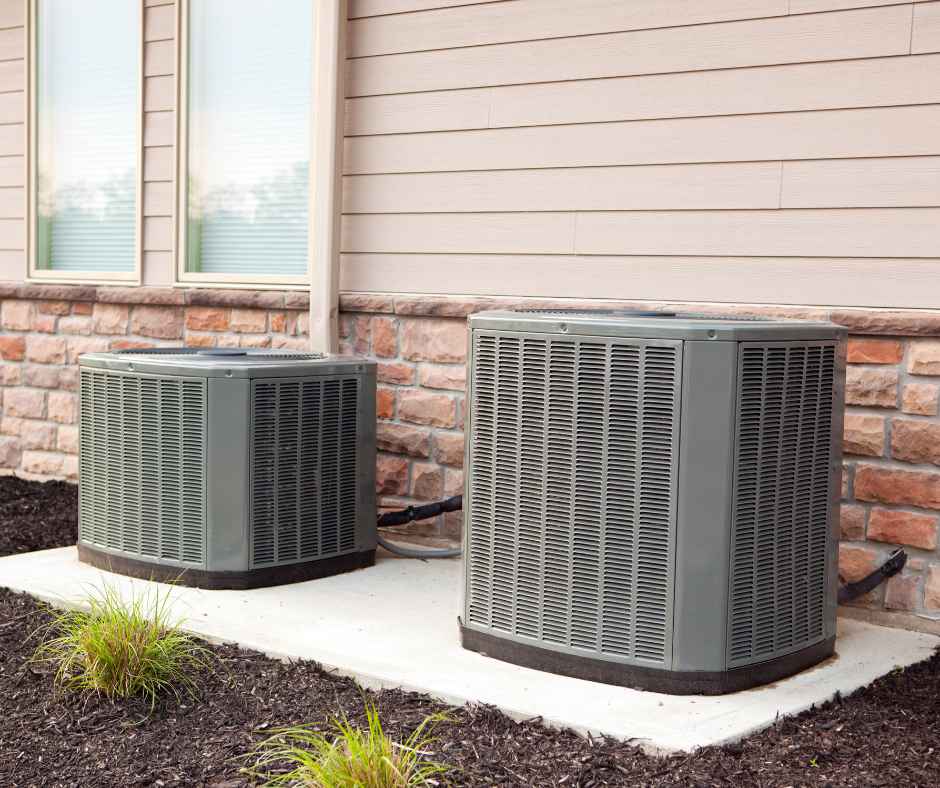
Air conditioners remove some humidity while they cool. As warm indoor air passes over the cold evaporator coil, moisture condenses and drains away through the condensate system.
However, your AC is mainly designed to control temperature. It may not remove enough humidity if something is wrong with the system, the home, or the airflow.
Your AC may struggle with humidity if:
- The system is oversized
- The system is short-cycling
- Airflow is restricted
- The evaporator coil is dirty
- The air filter is clogged
- Refrigerant levels are off
- Ductwork is leaking
- The condensate drain is clogged
- The thermostat fan is set to “on”
- The crawl space is damp
- The home has air leaks
- Ventilation is unbalanced
If your home reaches 72 degrees quickly but still feels sticky, the AC may be shutting off before it runs long enough to remove moisture.
The Oversized AC Problem
Bigger is not always better when it comes to air conditioning. An oversized AC system can cool the air too quickly, then shut off before enough moisture has been removed.
This is called short cycling.
Short cycling can cause:
- Sticky indoor air
- Uneven cooling
- More wear on equipment
- Higher energy use
- Poor humidity removal
- Frequent starts and stops
- Hot and cold spots
- Reduced system lifespan
A properly sized AC system should run long enough to cool the home and remove moisture. If your system was replaced without a proper load calculation, or if home improvements changed your cooling needs, sizing may be part of the problem.
Airflow Problems Can Trap Humidity
Your HVAC system needs steady airflow to cool and dehumidify properly. When airflow is blocked or restricted, the system cannot move enough air across the coil or through the home.
Airflow problems may come from:
- Dirty air filters
- Blocked return vents
- Closed supply vents
- Dirty evaporator coils
- Weak blower motors
- Undersized ductwork
- Leaky ducts
- Crushed flexible ducts
- Poor duct design
- Furniture blocking vents
Signs of airflow trouble include:
- Some rooms feel damp or hot
- Weak air from vents
- The AC runs often
- The system freezes up
- Utility bills rise
- Dust builds up quickly
- The home never feels evenly comfortable
If humidity problems are worse in certain rooms, ductwork or airflow may be the cause.
Crawl Spaces Can Feed the “NC Sticky”
Many North Carolina homes have crawl spaces, and moisture in them can affect the entire house. Damp air from below can move upward into living spaces, especially through gaps, leaks, and unsealed openings.
A damp crawl space can contribute to:
- Musty odors
- High indoor humidity
- Sticky floors
- Mold or mildew concerns
- Wood rot
- Pest activity
- Poor indoor air quality
- Increased AC strain
- Uneven comfort
If your home smells musty or feels damp even when the AC runs, the crawl space should be evaluated. HVAC service alone may not solve the issue if moisture is entering from below.
Leaky Ducts Can Pull in Humid Air
Ductwork is supposed to move conditioned air through the home. If ducts leak, they can waste cooled air and pull humid air from attics, crawl spaces, garages, or wall cavities.
Leaky ducts can cause:
- Higher humidity
- Uneven room temperatures
- Higher utility bills
- Dusty air
- Weak airflow
- AC overwork
- Hot or sticky rooms
- Poor indoor air quality
In a humid climate, duct leaks are more than an efficiency issue. They can directly affect comfort by allowing unwanted moisture to enter the system.
Signs Your Home Has an Indoor Humidity Problem
High humidity does not always show up as visible water. Often, it shows up as comfort complaints and small warning signs around the home.
Watch for:
- Sticky or clammy air
- Musty odors
- Condensation on windows
- Damp bedding or upholstery
- Sweaty supply vents
- Mold or mildew on surfaces
- Bathrooms that stay damp
- Wood doors that stick
- Warped trim or flooring
- Dust mite or allergy flare-ups
- AC running but comfort still poor
- Thermostat set low but home still feels warm
- Frequent need to lower the temperature
If multiple signs are present, the problem is probably humidity, not just heat.
Why High Humidity Can Hurt Your Home
Humidity affects more than comfort. Over time, moisture can damage building materials, worsen indoor air quality, and create conditions for mold or mildew.
High humidity can lead to:
- Mold growth in damp areas
- Musty indoor air
- Wood swelling
- Warped flooring
- Peeling paint
- Damage to furniture
- Rust on metal fixtures
- Odors in closets
- Increased dust mite activity
- More strain on HVAC equipment
- Higher cooling costs
The longer the humidity stays high, the harder it is for the home to feel clean, dry, and comfortable.
How to Reduce Indoor Humidity
Some humidity problems can be improved with basic home habits and HVAC maintenance. Others require professional diagnosis.
Homeowners can start with:
- Replace air filters regularly
- Keep supply and return vents open
- Use bathroom fans during and after showers
- Run kitchen ventilation while cooking
- Make sure the dryer vents outdoors
- Fix plumbing leaks quickly
- Keep interior doors open for airflow
- Avoid setting the thermostat fan to “on” all the time
- Check for standing water near the foundation
- Keep gutters and downspouts working properly
- Schedule AC maintenance before peak summer
- Watch for musty crawl space odors
These steps help, but they may not be enough if the HVAC system is oversized, ducts are leaking, or the home needs dedicated humidity control.
When a Whole-Home Dehumidifier Makes Sense
A whole-home dehumidifier removes excess moisture from the air throughout the house. It works with the HVAC system to control humidity more directly than the AC can on its own.
A whole-home dehumidifier may be worth considering if:
- The home feels sticky even at 72 degrees
- You keep lowering the thermostat for comfort
- Musty odors return
- Humidity is high in multiple rooms
- The AC short cycles
- The home has a damp crawl space
- Condensation appears indoors
- Allergy symptoms worsen in humid months
- Portable dehumidifiers are not enough
- You want better comfort without overcooling
A whole-home dehumidifier can help the air feel cooler and drier, which may allow you to stay comfortable at a higher thermostat setting.
Why Professional Diagnosis Matters
Humidity problems can have several causes. Installing a dehumidifier may help, but the best solution depends on what is driving the moisture problem.
Ted’s Air, Plumbing & Electric can evaluate:
- AC performance
- System sizing
- Airflow
- Duct condition
- Filter condition
- Coil condition
- Refrigerant concerns
- Thermostat settings
- Condensate drainage
- Crawl space moisture signs
- Ventilation issues
- Whole-home dehumidifier options
The goal is to solve the real comfort problem, not just lower the thermostat.
When to Call Ted’s Air, Plumbing & Electric for Humidity Help
Ted’s Air, Plumbing & Electric can help North Carolina homeowners beat the “NC Sticky” with HVAC service, airflow improvements, humidity control solutions, and whole-home comfort support. If your home feels damp, warm, or uncomfortable even at 72 degrees, we can help identify why.
Call Ted’s if you notice:
- Sticky indoor air
- Musty odors
- Uneven cooling
- High humidity
- Constant thermostat adjustments
- Weak airflow
- AC short cycling
- Sweaty vents
- Damp crawl space smells
- Rising energy bills
- Rooms that never feel comfortable
Our team can inspect your system, explain the cause of the humidity problem, and recommend practical solutions for your home.
Call Ted’s for High Humidity in Your Home
Call Ted’s Air, Plumbing & Electric if your North Carolina home feels sticky, damp, or warm even when the thermostat is set to 72 degrees. High humidity may be caused by AC short cycling, poor airflow, duct leaks, crawl space moisture, clogged filters, or a need for whole-home dehumidification.
A comfortable home is not just about temperature. It is about moisture control, airflow, and system performance. For HVAC service, humidity control, ductwork support, plumbing repairs, and whole-home comfort solutions, contact Ted’s Air, Plumbing & Electric today. Our team can help you beat the “NC Sticky” and make your home feel cool, dry, and comfortable again.