Serving Durham and Surrounding Areas


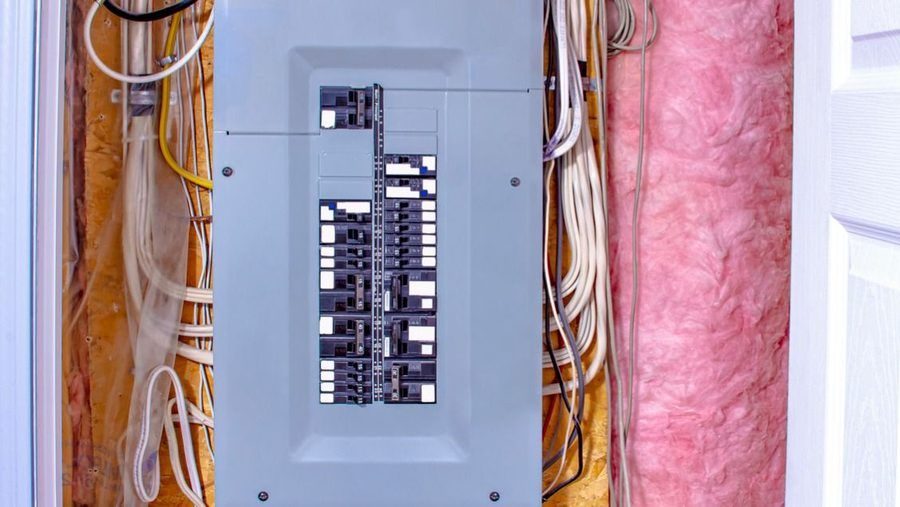
Outdated Electrical Panel Warning Signs in Durham: Protecting Your Older Home from Overload
Your home’s electrical panel plays an essential role in safely distributing electricity to lights, appliances, and everyday equipment. However, if you live in an older Durham home, your electrical system may have been designed long before today’s household electrical demands became common.
From central heating and cooling systems to modern kitchen appliances and electric vehicle chargers, homeowners rely on more electrical equipment than ever. An older electrical panel isn’t automatically unsafe, but certain warning signs may indicate your system needs professional attention.
In this guide, we’ll explore five signs of an outdated electrical panel, explain how electrical overloads can affect older Durham homes, and discuss when repairs or an electrical panel upgrade may be necessary.
Why Older Durham Homes May Need Electrical Panel Evaluations
Durham has many established neighborhoods with homes built during different periods of residential development. Some older properties still have electrical systems originally designed for fewer appliances and lower household electricity consumption.
As homeowners renovate kitchens, replace HVAC equipment, or add modern technology, their electrical requirements may change. An electrical panel that once supported a household’s needs may have limited capacity for additional circuits or larger electrical loads.
However, an electrical panel’s age doesn’t automatically determine whether it’s safe or adequate. Its condition, electrical rating, installation quality, and current household demand matter just as much.
A professional electrical inspection can help identify deteriorating components, improper wiring, and potential capacity limitations. This evaluation gives homeowners a clearer sense of whether repairs, circuit improvements, or a panel upgrade would help.
Warning Sign #1: Circuit Breakers Trip Frequently
Circuit breakers interrupt electrical flow when unsafe conditions occur. They protect wiring and connected equipment from excessive current caused by overloads and electrical faults.
An occasional breaker trip may happen when too many appliances operate on the same circuit. However, breakers that repeatedly trip deserve professional investigation.
Common reasons for frequent breaker trips include:
-
Overloaded circuits: Too many devices draw electricity from the same branch circuit.
-
Short circuits: An unintended electrical connection allows excessive current to flow.
-
Ground faults: Electricity follows an unintended path to ground.
-
Damaged wiring: Deteriorating conductors or connections can create electrical problems.
-
Faulty equipment: A malfunctioning appliance may trip a breaker.
-
Breaker problems: A damaged or malfunctioning breaker may need to be replaced.
Distinguish between an overloaded circuit and an overloaded electrical service. One circuit can exceed its safe capacity even when the home’s overall electrical system has sufficient power available.
Repeatedly resetting a breaker without identifying the cause can allow an unresolved electrical problem to continue. Never replace a breaker with one rated for higher amperage simply to prevent tripping, as this can create serious safety hazards.
Warning Sign #2: Lights Flicker or Dim When Appliances Start
Have you noticed your lights dimming when the air conditioner starts or flickering when a large appliance operates? These changes can sometimes indicate voltage fluctuations within your home’s electrical system.
Some appliances and motors draw extra current at startup. This temporary increase in electrical demand may briefly drop the voltage, causing momentary dimming. However, persistent or severe flickering can suggest problems beyond normal equipment startup.
Potential causes include loose electrical connections, deteriorating wiring, overloaded circuits, or issues with the electrical supply. Electrical panel issues may also contribute to unstable electrical performance.
Pay attention to whether the flickering affects one room or several areas of your home. If lights repeatedly fluctuate across multiple rooms, become unusually bright, or dim significantly, have them evaluated promptly. Flickering lights don’t automatically mean your electrical panel needs replacement, but they can signal electrical conditions you shouldn’t ignore.
Warning Sign #3: Buzzing, Burning Smells, or Warm Electrical Components
Some electrical warning signs require more immediate attention than others. Unusual sounds, burning odors, and excessive heat can indicate deteriorating connections or other potentially dangerous electrical conditions.
Electrical panels should not buzz, crackle, or make other unusual noises during normal operation. These sounds may indicate loose connections, damaged components, or electrical arcing.
Other concerning symptoms include:
-
Burning or melting odors: Unusual smells near electrical equipment may indicate overheating.
-
Buzzing or crackling: Persistent noises can suggest problems with electrical connections.
-
Discoloration: Darkened areas around outlets, switches, or panel components may indicate excessive heat.
-
Unusually warm surfaces: Heat around accessible electrical components can signal developing problems.
-
Visible sparking: Sparks or signs of electrical arcing require urgent professional attention.
If you notice these symptoms, avoid touching the affected equipment or attempting repairs. Contact a qualified electrician promptly, and follow emergency guidance if there is an immediate fire or electrical hazard.
Homeowners should never remove electrical panel covers or inspect internal wiring themselves. Electrical panels can contain energized components even when individual breakers are switched off.
Warning Sign #4: Your Electrical Panel Has Limited Capacity for Modern Appliances
Modern households often require more electrical capacity than older homes were originally designed to support. Adding new appliances, upgrading HVAC equipment, or installing an electric vehicle charger may increase your home’s electrical demand.
For Durham homeowners planning renovations or major equipment installations, evaluating existing electrical capacity is an important first step.
Common additions that may affect household electrical requirements include:
-
Electric vehicle charging equipment.
-
Electric ranges and ovens.
-
Central heating and cooling systems.
-
Electric water heaters and dryers.
-
Home additions and remodeled living spaces.
-
Additional kitchen appliances.
-
Workshops and other high-demand equipment.
However, an electrical panel with no available breaker spaces isn’t necessarily overloaded. Available breaker spaces and total electrical service capacity are different considerations.
A professional electrician can perform an electrical load calculation to determine whether your existing service can safely support additional equipment. Depending on the results, the solution may involve adding a dedicated circuit, modifying the panel configuration, or upgrading the electrical service.
Planning ahead can help prevent electrical capacity problems during home improvements.
Warning Sign #5: Your Panel Is Aging or Uses Outdated Equipment
Electrical panels can remain functional for decades, but their condition may deteriorate over time. Corrosion, damaged components, loose connections, and past installation issues can reduce electrical reliability.
Some older Durham homes may also contain equipment that no longer meets the household’s needs or presents known safety concerns.
For example, certain older panel designs have documented reliability issues that warrant professional evaluation. Older fuse-based systems may also have limitations depending on their condition, configuration, and the home’s electrical requirements.
Signs that aging equipment deserves attention include:
-
Visible corrosion or damage around the panel enclosure.
-
Breakers that appear damaged or don’t operate correctly.
-
Evidence of overheating or previous electrical repairs.
-
Limited compatibility with necessary replacement components.
-
Older equipment with documented safety concerns.
-
Electrical systems that cannot accommodate planned improvements.
A panel’s age alone doesn’t establish that replacement is necessary. However, homeowners who don’t know when their electrical equipment was last inspected may benefit from scheduling a professional evaluation.
An electrician can assess the panel’s condition and determine whether continued use, targeted repairs, or replacement is appropriate.
How Can Durham Homeowners Reduce the Risk of Electrical Overloads?
Protecting an older home’s electrical system starts with understanding how electricity is being used. Although homeowners shouldn’t attempt internal electrical repairs, several practical habits can help reduce unnecessary electrical strain.
Avoid connecting too many high-demand appliances to a single outlet or circuit. Use space heaters, portable air conditioners, and other high-draw equipment according to the manufacturer’s instructions.
Power strips can add receptacles, but they don’t increase a circuit’s capacity. Similarly, never treat extension cords as permanent replacements for properly installed outlets.
Homeowners should also pay attention to recurring electrical problems rather than dismissing them as normal behavior in an older house. Frequent breaker trips, unusual odors, and persistent flickering all deserve investigation.
Before installing major electrical equipment, consider scheduling a professional electrical evaluation. This is particularly important when planning renovations, adding an EV charger, or replacing equipment with different electrical requirements.
Proactive inspections can help identify potential problems before they become more expensive or dangerous.
When Is an Electrical Panel Upgrade Better Than a Repair?
Not every electrical problem requires replacing the entire panel. In some cases, a qualified electrician can fix the issue by repairing a connection, replacing an appropriate component, or correcting a problem in a single circuit.
However, replacement may be the better option when the panel has extensive damage, significant corrosion, or documented safety concerns. An upgrade may also be necessary when the home’s electrical service cannot safely support its current or planned electrical demand.
The decision should consider several factors, including equipment condition, available capacity, repair costs, and future household needs.
For example, a homeowner experiencing frequent breaker trips may only need to correct an overloaded circuit. Another homeowner planning major electrical additions may require a service upgrade after a professional load calculation.
An electrical panel inspection can identify the real problem and help determine whether repairs or replacement offers the safest, most practical solution.
Schedule an Electrical Panel Evaluation With Ted’s Air, Plumbing & Electric
Older Durham homes can support modern electrical needs when their systems are properly maintained and equipped for today’s demand. However, frequent breaker trips, flickering lights, unusual noises, and aging electrical components may indicate problems that require professional attention.
At Ted’s Air, Plumbing & Electric, we help homeowners throughout Durham and surrounding Triangle communities address electrical concerns and evaluate their existing systems. Our team can inspect electrical panels, troubleshoot wiring problems, and recommend appropriate repairs or upgrades based on your home’s needs.
Whether you’re concerned about an aging electrical panel or planning improvements that require more electrical capacity, professional guidance can help you decide with confidence. Contact Ted’s Air, Plumbing & Electric today to schedule an electrical inspection and help protect your Durham home from potential overloads and electrical hazards.