Serving Durham and Surrounding Areas



Will Your Smart Home Survive a Durham Storm? The Truth About Whole-Home Surge Protection
A whole-home surge protector helps defend your home’s electrical system from the kinds of power surges that can damage HVAC equipment, appliances, smart devices, and electronics during Durham storm season. Outlet surge protectors still matter, but they are not enough on their own when the goal is protecting the systems wired into your home.
Many homeowners assume their smart home is protected because the TV and computer are plugged into surge protectors. That sounds reasonable until the next storm rolls through and a thermostat, garage door opener, HVAC board, or appliance control suddenly stops working.
That is the part many people miss. A modern home is full of electronics that are not plugged into a power strip. In Durham, where thunderstorms are a real part of the weather pattern, surge protection is about more than saving a laptop. It is about protecting the systems your home depends on every day.
In this guide, you will learn what whole-home surge protection actually does, what outlet surge protectors still do well, and why many Durham homes need more than a few power strips to stay protected during storm season.
Why Storms Are a Bigger Threat to Smart Homes
The more connected your home becomes, the more expensive a power surge can get.
It is no longer just about a television or a desktop computer. Many Durham homes now depend on:
- smart thermostats
- HVAC equipment with control boards
- refrigerators with electronics
- garage door systems
- security systems
- routers and mesh Wi-Fi hardware
- smart lighting
- EV chargers
- connected appliances
A storm-related surge can affect any of these systems, and many of them are wired directly into the home’s electrical system.
What a Whole-Home Surge Protector Actually Does
A whole-home surge protector is installed at or near the main electrical panel. Its job is to intercept larger surges before they reach the equipment inside the home’s wiring. Type 2 surge protective devices are commonly installed in or next to the breaker box for this purpose.
That matters because many of the most important systems in your house cannot be protected by a plug-in strip alone.
What Outlet Surge Protectors Still Do Well
Outlet surge protectors are still useful. They add a second layer of protection for sensitive electronics plugged directly into them, such as:
- TVs
- computers
- gaming systems
- office equipment
- routers
- entertainment systems
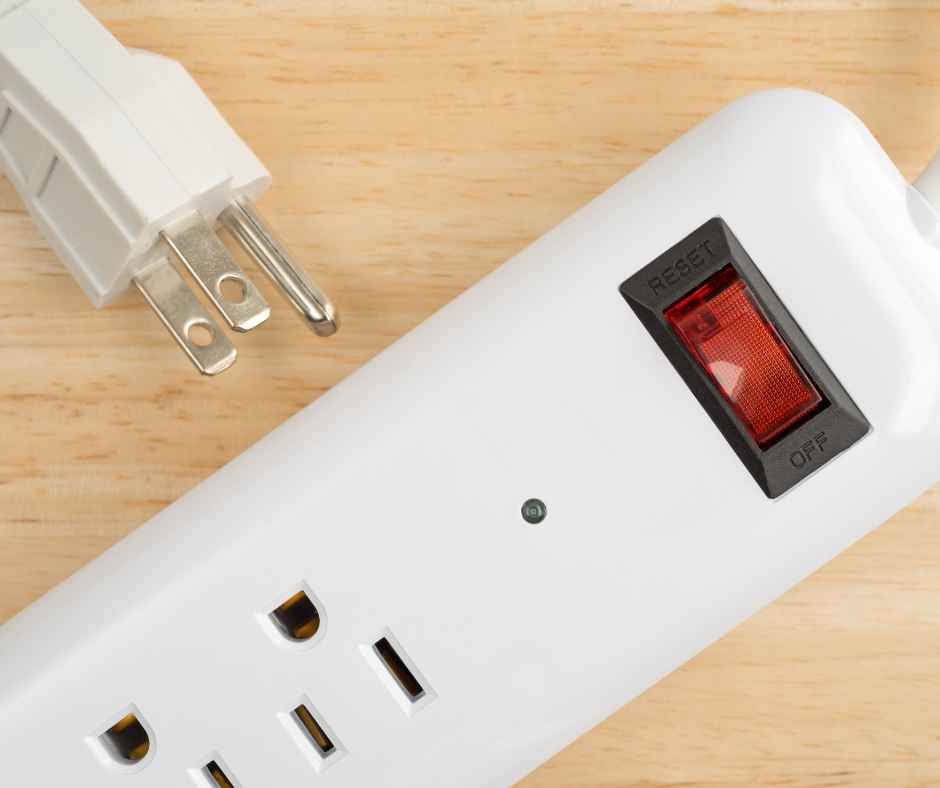
But they only protect the devices connected to that one point of use. They do not protect the full house, and they do not cover hardwired systems the same way a panel-level device can. Not every power strip is even a true surge protector, which is another reason homeowners should not assume every strip provides the same protection.
Why a Smart Home Usually Needs More Than Power Strips
This is where the difference becomes practical.
If your home only uses outlet surge protectors, you may still have no real surge protection for:
- air conditioning equipment
- furnaces or air handlers
- dishwashers
- refrigerators
- washing machines
- dryers
- built-in microwave systems
- smart switches
- garage door motors
- other hardwired electronics
That is why a smart home is often more vulnerable than homeowners realize. The more technology is built into the home, the more important whole-home protection becomes.
Can a Whole-Home Surge Protector Stop Every Surge?
No.
Whole-home surge protection is an important layer of defense, but it is not magic. No surge protection device can withstand a direct lightning strike, which is why unplugging especially sensitive electronics during severe weather remains smart when practical.
The real goal is to reduce the risk of damage from surges that commonly travel through the electrical system during storms and other power events.
Why Durham Homeowners Should Take This Seriously
Thunderstorms are a routine part of life in this region, and storm preparedness guidance specifically recommends surge protection as part of protecting your home, appliances, and electronics. Current National Weather Service forecasts for the Durham area also regularly include thunderstorms, which is a reminder that this is not a rare-event problem.
For homeowners, that means surge protection is not just an optional upgrade for extreme situations. It is part of preparing the home for the weather patterns the area already gets.
What a Layered Protection Strategy Looks Like
The strongest setup is usually not whole-home versus outlet protection. It is both.
A practical layered approach usually means:
a whole-home surge protector at the electrical panel
quality outlet surge protectors for sensitive electronics
extra attention to high-value equipment like home office devices, entertainment setups, and networking gear
That setup protects more of the home and closes more gaps than when homeowners rely on only one type of protection. ESFI specifically recommends using Type 1, Type 2, and Type 3 surge protection together for maximum protection.
Signs Your Home May Need Better Surge Protection
Many homeowners do not think about surge protection until something fails. But common signs the home may need a better setup include:
- frequent storms in your area
- expensive HVAC or appliance equipment
- smart thermostats and connected controls
- home office electronics
- repeated failure of electronic boards or controls
- a recently added EV charger
- an older electrical system with no modern panel-level protection
In these situations, a few plug-in strips usually are not enough.
What This Really Comes Down To
When homeowners think about surge protection for a smart home, these are the points that matter most:
- Whole-home surge protection helps protect the house more broadly
- Outlet surge protectors help protect sensitive devices more directly
- Hardwired systems are not protected by outlet strips alone
- No surge device is a substitute for common-sense storm precautions
- Most modern homes are best protected with both layers in place
Protect the Systems You Can’t Just Plug Into a Strip
If your home depends on smart controls, connected appliances, modern HVAC equipment, and expensive electronics, a storm can do more damage than most homeowners expect. A few outlet surge protectors may help, but they do not protect the whole electrical system your home runs on.
Ted’s Air, Plumbing & Electric can help you choose the right surge protection for your Durham home, from whole-home protection at the panel to better coverage for the devices and systems you rely on every day. Contact us today to schedule an electrical evaluation and find the right surge protection solution before the next storm hits.