Serving Durham and Surrounding Areas



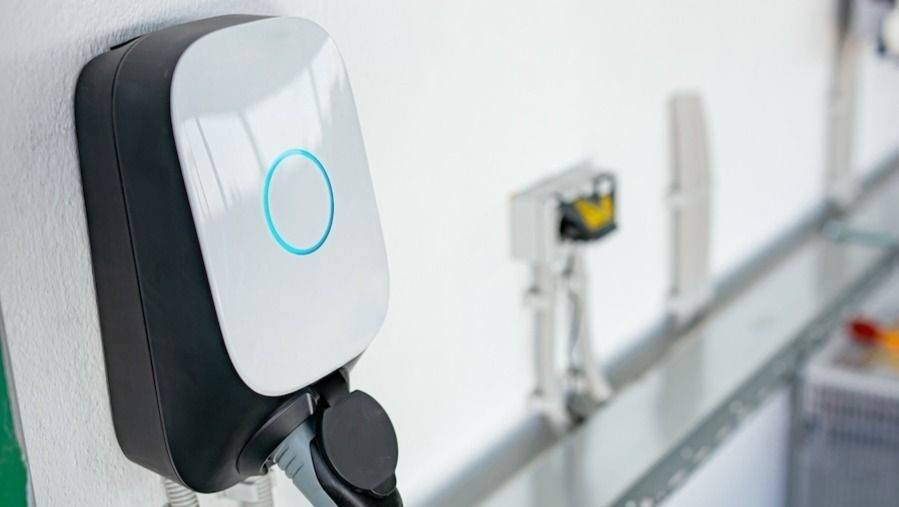
Don’t Lose Your $1,000 Tax Credit: The June 30 Deadline for NC EV Charger Installations
North Carolina homeowners still have a limited window to claim a federal tax credit for a home EV charger, but the deadline is approaching. To qualify, the charger must be installed at your primary residence in an eligible census tract and placed in service before July 1, 2026. The credit is worth 30% of eligible costs, up to $1,000 per charging port.
Many homeowners hear “tax credit” and assume they can deal with it later. That is where people get burned.
For home EV chargers, the key date is not when you start shopping or even when you sign a proposal. The key date is when the charger is placed in service. For a residential EV charger, that generally means it is installed and operational. If that does not happen before July 1, 2026, the credit is at risk.
In this guide, you will learn who may qualify, what the June 30 deadline really means, what can delay an installation, and why waiting too long could cost you up to $1,000 in lost tax savings.
What Is the EV Charger Tax Credit?
Homeowners may be eligible for the federal Alternative Fuel Vehicle Refueling Property Credit for a home EV charger. For individuals, the credit is 30% of eligible costs, up to $1,000 per charging port. Eligible costs can include the charger itself, labor, and certain directly related installation costs.
For many households, that makes the credit a meaningful offset on the overall project cost, especially when electrical upgrades are part of the installation.
What Is the Deadline?
For homeowners using this credit for a charger at their primary residence, the property must be placed in service before July 1, 2026. In practical terms, that means the charger needs to be installed and ready to use no later than June 30, 2026.
That is why this is not a “wait until summer” project. If installation delays push the project past June 30, the credit may no longer be available under the current IRS and North Carolina DEQ timelines.
What Does “Placed In Service” Actually Mean?
This is one of the biggest details homeowners miss.
For an EV charger, “placed in service” generally means the equipment is operational and ready for its intended use. Ordering the charger is not enough. Scheduling the work is not enough. Even if most of the installation is finished, the charger must be ready to use by the deadline.
So if you want the credit, the goal is to have the charger fully installed and working before June 30.
Do All North Carolina Homes Qualify?
No. This is where many people get surprised.
For an individual homeowner, the charger generally must be:
-
installed at your primary residence
-
located in an eligible census tract
-
placed in service during the qualifying window
-
original-use property that begins with you
The eligible-location requirement matters. The IRS says the property must be installed in a low-income community census tract or a non-urban census tract. Your home only has to meet one of those location categories, not both.
Why Does the Census Tract Requirement Matter So Much?
Because it is one of the easiest ways to assume you qualify when you may not.
A homeowner can buy the right charger, hire a licensed electrician, finish the work on time, and still miss the credit if the home is not in an eligible tract. The IRS specifically applies the location requirement to residential installations, not just commercial ones.
That means checking eligibility early is critical. The IRS provides tract-identification instructions, and the Department of Energy points people to the Argonne 30C eligibility locator tool to help determine whether an installation address is in a qualifying area.
Why Waiting Too Long Is Risky
Even if you already know you want a Level 2 charger, timing can still work against you.
Projects can get delayed by:
-
panel capacity issues
-
permitting timelines
-
charger availability
-
scheduling bottlenecks
-
trenching or wiring complexity
-
utility or inspection coordination
The closer homeowners get to the deadline, the less room there is for anything to go wrong. And because the credit depends on the charger being operational before July 1, even a small delay can be costly.
What Costs Can Count Toward the Credit?
For homeowners, the credit is based on 30% of eligible costs up to the maximum allowed. The IRS says it can include the charging equipment, labor, and certain associated property directly attributable to the charger, such as a pedestal supporting a charging port.
That is one reason many homeowners want to plan the job correctly the first time. If the installation is eligible, the tax credit can offset part of the cost of both the equipment and the installation work.
How Do You Claim It?
The IRS says homeowners claim the credit on the tax return for the year the charger was placed in service using Form 8911. The IRS also advises keeping documentation such as purchase receipts and installation labor records.
That means paperwork matters. If you want the credit, you should keep clean records from the beginning rather than trying to piece everything together at tax time.
What North Carolina Homeowners Should Do Right Now
If you are considering a home EV charger, these are the priorities that matter most:
-
Confirm that your primary residence is in an eligible census tract
-
Choose the charger and installation scope early
-
Plan for panel or electrical upgrades if needed
-
Schedule the work with enough lead time for delays
-
Make sure the charger is fully operational by June 30, 2026
-
Keep receipts and installation records for tax filing
Don’t Let the Deadline Cost You $1,000
If you already know a home EV charger is in your future, waiting can be the most expensive part of the project. The current federal credit can be worth up to $1,000, but only if the installation meets the eligibility rules and the charger is placed in service before the deadline.
Ted’s Air, Plumbing & Electrical can help North Carolina homeowners plan EV charger installations before the June 30 deadline becomes a last-minute scramble. If you want to avoid missed tax savings, scheduling issues, and deadline pressure, contact us today to start your installation plan.