Serving Durham and Surrounding Areas


The Central NC HVAC Lifecycle: Why 15 Years in Durham is Different Than 15 Years Elsewhere
Homeowners in Durham and throughout Central North Carolina often hear that a quality air conditioning system should last about fifteen years. However, the “Bull City” climate presents a unique set of challenges that can make a fifteen-year-old unit here look and perform very differently from one in a milder part of the country. Between the oppressive humidity of July and the thick blankets of yellow pine pollen in April, our local systems endure considerable environmental stress.
In this blog, we will examine the specific regional factors that accelerate the aging process of North Carolina HVAC units and how you can protect your investment. Understanding these local variables is essential for anyone looking to maximize the lifespan of their heating and cooling equipment.
The Humidity Factor: Why NC Units Work Double Time
In North Carolina, cooling your home involves more than just lowering the temperature. Our “mixed-humid” climate means your AC unit must also perform the heavy lifting of dehumidification. This process, known as removing latent heat, requires the system to run longer cycles to pull moisture from the air before it can effectively lower the thermostat. In Durham, where dew points can stay in the 70s for weeks at a time, your system works twice as hard as a unit in a dry climate like Arizona.
This constant removal of moisture creates a high-volume flow of water through your condensate system. If your HVAC maintenance is neglected, this water can lead to biological growth and clogs within the drain lines. To prevent humidity from shortening your system’s life, monitor these moisture-related performance factors:
- Longer Run Cycles: Noticing that the system runs for thirty minutes or more at a time just to reach a comfortable humidity level.
- Sticky Indoor Air: Feeling a “clammy” sensation inside the house even when the thermometer says it is 72 degrees.
- Condensate Line Clogs: Experiencing frequent water backups in the drain pan caused by the high volume of moisture and dust mixing into a “sludge.”
- Evaporator Coil Corrosion: Observing “pitting” or white deposits on the indoor coils, which are constantly wet during the humid Durham summers.
- Biological Growth: Seeing dark spots on the vents or inside the air handler, where moisture and dust provide a breeding ground for spores.
- Damp Ductwork: Finding condensation on the exterior of your ducts can lead to insulation failure and water damage to your ceilings.
- Frozen Coils: Noticing ice on the copper lines because the system is struggling to move enough air through a moisture-clogged coil.
By addressing humidity through proper drainage and airflow, you reduce the mechanical strain on your compressor. This targeted care is essential for ensuring your Durham HVAC unit survives the high-demand months of July and August.
The Pollen “Blanket”: How Durham Springs Smother Your Condenser
Every spring, Durham residents witness the arrival of “pollen-geddon,” where a thick layer of yellow pine pollen coats everything from cars to patio furniture. While this is a nuisance for allergy sufferers, it is a physical threat to your outdoor HVAC unit. The condenser coil relies on unrestricted airflow to release heat from your home, but a coating of sticky pollen acts like an insulating blanket. This trapped heat forces the system to run at higher pressures and temperatures, which can lead to premature compressor failure.
Without regular cleaning during the peak months of March and April, this organic debris becomes a permanent obstruction. Managing this seasonal surge is a critical part of Durham HVAC maintenance. You can protect your outdoor unit by watching for these pollen-related issues:
- Visible Yellow Buildup: Noticing a thick, fuzzy layer of yellow dust covering the metal fins of your outdoor condenser unit.
- Short Cycling: Observing the system turning on and off more frequently as it struggles to dissipate heat through the clogged coils.
- Increased Exterior Noise: Hearing the outdoor fan or compressor working harder and louder to compensate for restricted airflow.
- Reduced Cooling Capacity: Finding that the air coming from your vents is not as cold as it used to be, even though the system runs constantly.
- Higher Discharge Temperatures: Feeling unusually hot air blowing out of the top of the outdoor unit, indicating the internal components are overheating.
- Coil “Matting”: Noticing that rain has turned the pollen into a thick, felt-like mat that is impossible to remove without professional cleaning.
- Pressure Switch Trips: Experiencing sudden system shutdowns because high-pressure safety switches are triggered by excessive heat.
A simple rinse with a garden hose can help, but a professional deep clean is often necessary to remove pollen lodged deep within the coil fins. Taking these steps in early spring prevents your system from entering the summer heatwaves already stressed.
Heat Stress and 24/7 Runtime in the Bull City
Durham summers are famous for their relentless heat, often featuring stretches of days when temperatures exceed 90 degrees with little relief at night. In these conditions, a central North Carolina HVAC system may run for 18 to 24 hours a day just to maintain a safe indoor temperature. This constant operation places an enormous amount of mechanical stress on the compressor and the blower motor. Unlike systems in more temperate climates that get frequent “breaks,” a Durham unit undergoes a high-intensity workout every summer.
This sustained runtime accelerates the wear on electrical components like capacitors and contactors, which are the most common points of failure during a North Carolina heatwave. Proactive HVAC maintenance ensures these small parts are tested before they fail under the pressure of a 100-degree afternoon. To gauge the heat stress on your system, watch for these operational red flags:
- Failing Capacitors: Hearing a “humming” sound from the outdoor unit without the fan or compressor starting up.
- Burnt Contactors: Noticing a distinct electrical “burning” smell near the outdoor unit after a long afternoon of cooling.
- Tripped Breakers: Experiencing sudden power loss to the HVAC system as it draws too much current while fighting the heat.
- Low Refrigerant Signs: Finding that the system runs 24/7, but the indoor temperature continues to rise during the hottest part of the day.
- Oil Leaks: Seeing dark, oily spots on the base of the outdoor unit can indicate a refrigerant leak and compressor strain.
- Vibration Damage: Noticing loose panels or rattling sounds caused by the constant motion of the fan motor over weeks of runtime.
- High Discharge Air: Feeling air from the vents that is only a few degrees cooler than the room air, suggesting the system is overwhelmed.
When a system runs nearly non-stop, even minor inefficiencies are magnified into major repair bills. Keeping your electrical and mechanical components in top shape is the only way to survive the peak of the Durham summer without a breakdown.
The Durham Maintenance Checklist: Staying Ahead of the Curve
Given the unique environmental pressures in Central North Carolina, a “set it and forget it” approach to your HVAC system will lead to an early replacement. To combat the combination of high humidity and heavy pollen, Durham homeowners must adopt a more rigorous HVAC maintenance schedule than residents in other parts of the country. Taking these small, consistent steps ensures your system can handle the long North Carolina cooling season without a major mechanical failure.
By focusing on airflow and system cleanliness, you can significantly reduce the wear on your compressor and blower motor. Use this Durham-specific checklist to stay ahead of the seasonal transition:
- Monthly Filter Changes: Replacing filters every 30 days during the peak pollen and humidity months to maintain high airflow.
- Bi-Annual Coil Cleaning: Rinsing the outdoor unit in late spring to remove pine pollen and again in autumn to clear leaf debris.
- Drain Line Flushing: Pouring a cup of white vinegar down the condensate drain once a month to prevent biological “sludge” from backing up.
- Thermostat Calibration: Verifying that your thermostat is reading correctly so the system doesn’t run longer than necessary due to a faulty sensor.
- Clearance Maintenance: Keeping shrubs, grass, and weeds trimmed at least two feet away from the outdoor unit to ensure it can “breathe.”
- Electrical Inspection: Checking for loose wires or charred contactors that could cause a system failure during a 100-degree heatwave.
- Refrigerant Level Check: Ensuring the system is properly charged, as low refrigerant in the Durham heat will quickly burn out a compressor.
Regular attention to these details prevents minor spring issues from becoming expensive emergencies in summer. This proactive care is the only way to ensure your Durham HVAC unit truly lasts fifteen years.
The Strategic Advantage of Professional System Care
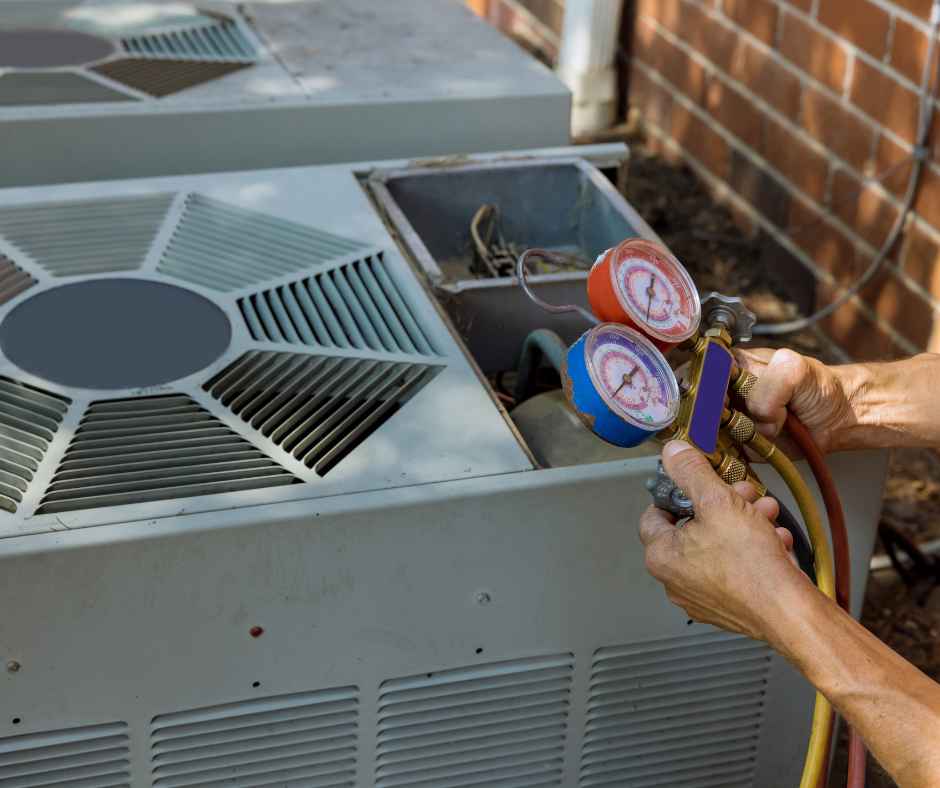
While homeowner maintenance is vital, some aspects of the Central NC climate require professional tools and expertise. At Ted’s HVAC, Plumbing & Electrical, we use specialized chemicals and high-pressure cleaning methods to remove pollen and scale that a garden hose simply cannot reach. Our comprehensive tune-ups include checking the “sub-cooling” and “super-heat” measurements, which are the only ways to verify your system is operating at peak efficiency in our humid environment.
In Durham, a professional diagnostic can identify a failing capacitor or a slow refrigerant leak months before it leaves you in a hot house. A professional HVAC maintenance visit offers several key benefits:
- Precision Cleaning: Removing deeply embedded pollen that restricts airflow and raises energy bills.
- Safety Verification: Ensuring all electrical and gas connections are secure and venting properly.
- Longevity Planning: Providing an honest assessment of your system’s age and health so you can plan for a future upgrade on your own terms.
Protect Your Investment with Local Durham Expertise
A 15-year-old HVAC unit in Durham has endured more stress than a similar unit would have anywhere else. By understanding the local impact of humidity, pollen, and heat, you can take the necessary steps to protect your home’s comfort.
Ted’s HVAC, Plumbing & Electrical is proud to be your local partner in maintaining system longevity. Don’t wait for the next heatwave to find out if your system is ready. Contact us today to schedule your professional maintenance and ensure your HVAC is prepared for the unique challenges of a North Carolina summer.