Serving Durham and Surrounding Areas



Is Your Heat Pump Failing or Just Defrosting? How to Tell Before You Call a Technician
There is a specific kind of heart-sink feeling that happens when you look out your window on a freezing Durham morning and see white smoke billowing off your outdoor unit. Your first thought is usually that the house is on fire or that your expensive HVAC system just bit the dust. You start wondering about the cost of a new unit and how long you can survive with just a space heater. But before you pick up the phone to scramble a technician, take a deep breath. Most of the time, that scary-looking cloud isn’t smoke at all. It is just steam, and it indicates your system is operating as designed.
In this guide, we are going to pull back the curtain on the winter behavior of your heating system so you can stop worrying about every little hiss and pop. Understanding the difference can save you a lot of stress and unnecessary service fee.
What a Defrosting Heat Pump Actually Looks Like
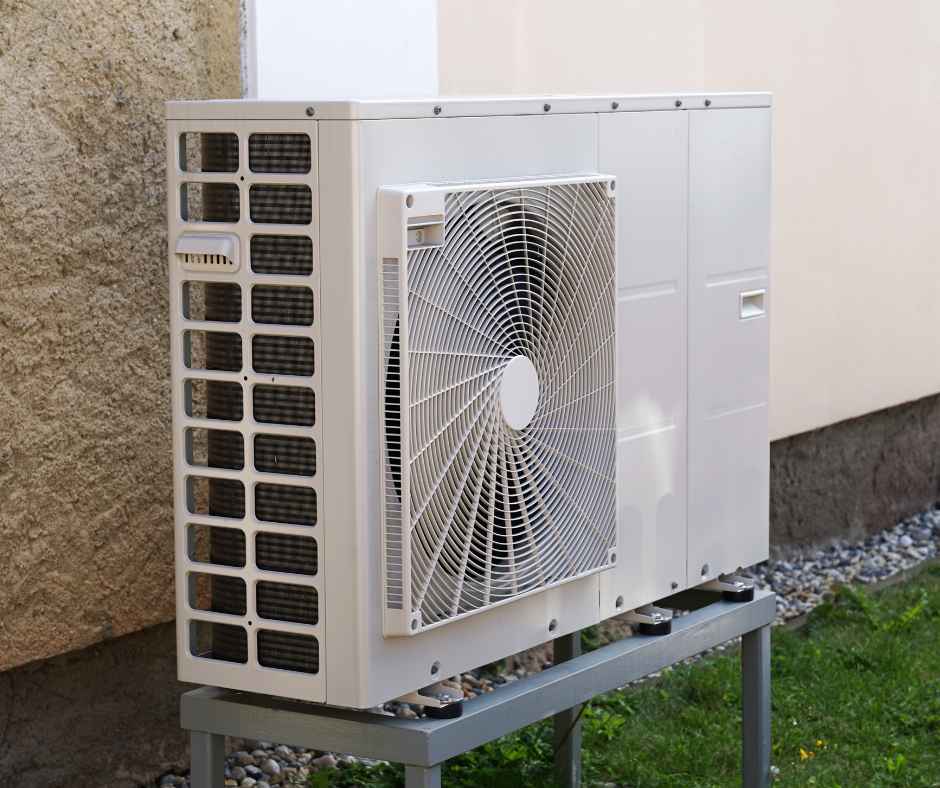
In the winter, your heat pump is basically a reverse air conditioner. It pulls heat from the outdoor air and moves it inside. When it gets really cold, the outdoor coil can drop below freezing, and moisture in the air turns into frost or ice on those metal fins. If that ice stays there, it blocks the airflow and the system cannot do its job. That is when the defrost cycle kicks in to save the day. It essentially switches into “cool mode” for a few minutes to send hot refrigerant back outside to melt that ice away.
You can usually tell you are looking at a normal defrosting heat pump by these specific signs:
- You hear a loud “whoosh” or a thumping sound as the reversing valve switches the flow of refrigerant.
- The outdoor fan stops spinning, even though the unit continues to hum or buzz.
- White steam, not dark smoke, starts rising from the top of the unit as the ice melts off the coils.
- You might see water dripping or even a small puddle forming around the base of the outdoor unit.
- Inside the house, you might notice the air from the vents feels slightly cooler for a few minutes as the backup heat kicks in.
The whole process usually lasts less than ten minutes. Once the ice is gone, the fan will kick back on, the “whoosh” happens again, and the system goes back to heating your home like nothing ever happened. If you see this happening once or twice an hour on a very humid or snowy day, don’t worry. It is a completely normal part of operating a heat pump in a cold climate. It is the machine’s way of performing its own version of heat pump maintenance to stay efficient.
Red Flags: Signs of a Truly Failing Heat Pump
While the “whoosh” and the steam are usually fine, there are times when your equipment is genuinely crying out for help. The trick is knowing when the system has crossed the line from a temporary defrost cycle into a mechanical breakdown. A failing heat pump often gives you a few subtle hints before it fails entirely, and catching them early can be the difference between a simple fix and a total system replacement. If the unit is struggling, it will often run much longer than it should or make a grinding sound rather than the normal compressor hum.
You need to keep a close eye out for these specific red flags that point toward a necessary heat pump repair:
- The outdoor unit is fully encased in a thick block of ice that never melts, even after hours of operation.
- You hear loud screeching, clanking, or rattling sounds that persist long after the initial startup.
- The system is “short cycling,” which means it turns on and off every few minutes without ever actually reaching your thermostat setting.
- Your electric bill has spiked dramatically even though the weather has stayed relatively consistent.
- The air coming out of your vents stays cold even when the “Auxiliary” or “Emergency” heat light is not on.
- You notice a burning smell or see actual dark smoke, which is a sign of an electrical failure or a seized motor.
If your system is stuck in defrost mode for more than fifteen minutes at a time, something is definitely wrong. It could be a bad sensor, a faulty reversing valve, or a low refrigerant charge. Ignoring these signs is a gamble that usually ends with a cold house and a much larger bill.
Why Regular Heat Pump Maintenance Saves Your Sanity
Many of the “scary” things a heat pump does in winter can be avoided if the system is tuned up before the first freeze. Think of your heat pump like a car that you are about to drive across the country in a blizzard. You wouldn’t do that without checking the tires and the oil. Professional heat pump maintenance ensures sensors are calibrated and refrigerant levels are set correctly. When these components are off by even a little bit, the system might not realize it is covered in ice, or it might stay in defrost mode longer than necessary.
While a technician handles the complex stuff, there are a few things you can do to keep your system happy:
- Keep the perimeter clear: Make sure dead leaves, tall grass, or snow drifts aren’t blocking the airflow around the outdoor unit.
- Check your filters monthly: A clogged air filter inside the house makes the outdoor unit work twice as hard and can lead to coil freeze-ups.
- Keep the unit level: If the ground has shifted and the unit is leaning, the melted ice might not drain properly, leading to a solid block of ice at the base.
- Don’t “crank” the thermostat: Moving the temperature up more than two degrees at a time can unnecessarily force the system into expensive emergency heat mode.
Taking these small steps helps your system run more efficiently and keeps you from second-guessing every noise it makes. Most of the calls we get for a failing heat pump in the dead of winter could have been prevented with a simple checkup in the fall. When the internal components are clean and well-lubricated, the transition into and out of the defrost cycle is much smoother and quieter.
Trusting Your System and Your Gut
A defrosting heat pump is a sign of a healthy, intelligent machine doing exactly what it was built to do. It can be startling to see steam and hear loud noises in the middle of a quiet winter night, but understanding the “why” behind those sounds makes the season much less stressful. If you see the ice melting away and the system returning to its normal hum within ten minutes, you can rest easy and stay warm. You have successfully navigated one of the most common homeowner scares without an unnecessary bill. However, if that ice is stubborn, the noises are haunting, or your home just won’t stay warm, don’t wait for the system to fail completely. Catching a failing heat pump early is key to fast, affordable repair.
We have spent years helping our neighbors in the community keep their homes comfortable through every kind of weather. Whether you need a quick tune-up or a major fix, our team is ready to help. Contact Ted’s HVAC, Plumbing & Electrical today to schedule your heat pump maintenance and ensure your peace of mind all winter long.
FAQ: Frequently Asked Questions
Is it normal for my heat pump to steam every day?
Yes, if the humidity is high and the temperature is near freezing. The unit will often enter a defrost cycle once every 30, 60, or 90 minutes depending on its settings and the weather conditions. As long as the steam stops and the ice disappears, your unit is fine.
Should I turn off my unit if I see ice on it?
If it is just a light coating of frost, leave it alone and let the defrost cycle handle it. However, if the unit is encased in a thick block of ice that isn’t melting, you should turn it off and call for a heat pump repair to prevent damage to the fan motor or compressor.
Why does my house feel cold during the defrost cycle?
When the unit is in defrost mode, it is technically running in “cooling” mode to heat up the outdoor coils. Most systems turn on “Auxiliary Heat” (electric heat strips) to temper that cold air so you don’t feel a chill, but you might still notice a slight temperature dip for a few minutes.
How can I tell the difference between steam and smoke?
Steam is white, dissipates quickly into the air, and has no real smell. Smoke is usually darker (grey or black), lingers longer, and will have a distinct “electrical” or “burning” odor. If you smell burning, shut the power off at the breaker immediately.
Does a dirty filter cause the unit to freeze up?
Absolutely. Restricted airflow is a leading cause of heat pump failure. When air can’t move over the indoor coils properly, the whole refrigeration cycle gets thrown off balance, which often leads to excessive icing on the outdoor unit.