Serving Durham and Surrounding Areas



Heat Pump vs Traditional Furnace: What Works Best in the Durham Area?
Residents of the Triangle know that the weather in the Piedmont is unpredictable. While we enjoy beautiful autumns, our winters bring a biting, damp chill that requires a robust heating strategy. Choosing the right system involves balancing monthly utility costs, environmental impact, and long-term reliability. Whether you live in a historic home near Duke University or a new build in Southpoint, the decision between a heat pump and a furnace is significant for your household.
In this guide, Ted’s HVAC, Plumbing & Electrical explores the specific pros and cons of heat pumps and traditional furnaces within the Durham climate to help you determine which system offers the best return on your investment. By understanding these mechanical differences, you can choose a system that keeps your family comfortable without breaking the bank when the North Carolina winds start to howl.
Heat Pumps and Furnaces: Two Paths to Comfort
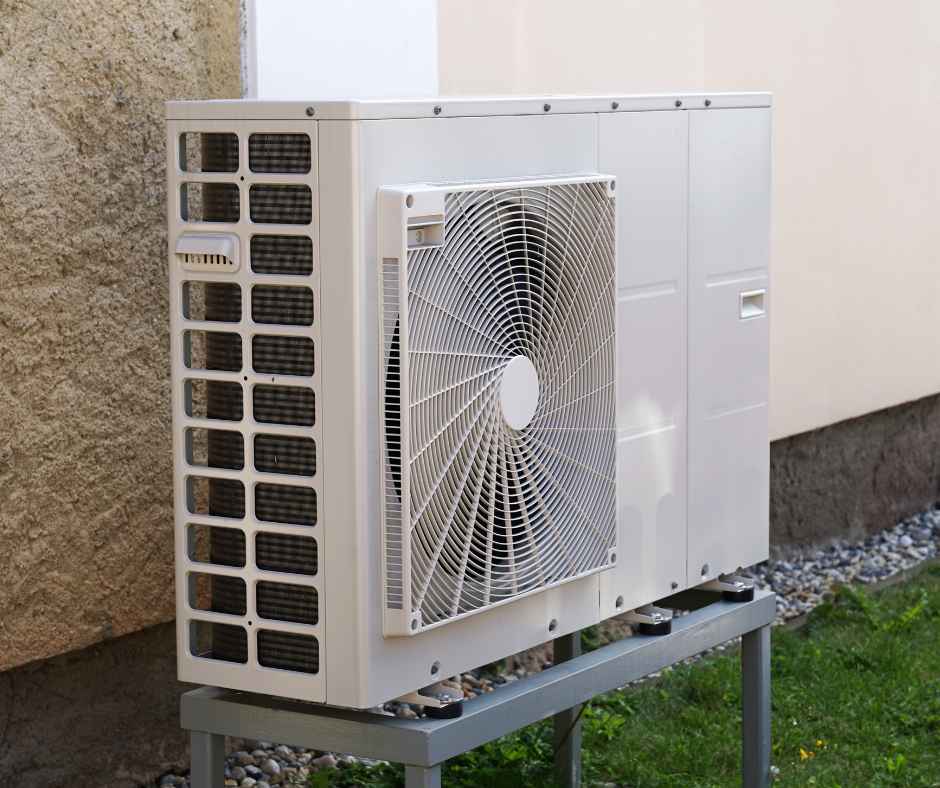
When choosing between a heat pump and a furnace, the main difference lies in how they create warmth. A heat pump is an all-in-one electric system that moves heat rather than creating it. During a Durham winter, it pulls ambient heat from the outdoor air and transfers it into your home. This makes it incredibly efficient, often delivering more energy than it consumes. High SEER2 and HSPF2 ratings on modern units ensure you stay comfortable year-round while keeping your carbon footprint small.
In contrast, a traditional gas furnace generates heat through combustion. Burning natural gas or propane creates a powerful, “toasty” heat that many homeowners prefer during the rare but biting Piedmont freezes. While furnaces are limited to about 98% AFUE efficiency, they are remarkably reliable when temperatures drop well below freezing.
For many in the Triangle, the choice depends on existing infrastructure. If your home is already piped for natural gas, a high-efficiency furnace is a logical and powerful upgrade. However, for those looking to simplify maintenance by using a single system for both heating and cooling, a modern heat pump is a versatile and cost-effective solution for our relatively mild North Carolina winters.
Direct Comparison: Efficiency, Cost, and Performance
To make the best decision for your property, it helps to see how these systems stack up side by side. While every home in Durham is different, several key factors typically influence the final choice.
- Upfront Costs: Generally, a standalone furnace is less expensive to install than a full heat pump system. However, remember that a furnace only provides heat. If you also need to replace your air conditioner, the combined cost of a new furnace and AC unit is often comparable to a single high-performance heat pump.
- Monthly Savings: Heat pumps are the clear winners in energy efficiency. Because they move heat instead of burning fuel, they can reduce your heating bills significantly during the milder parts of the Durham winter.
- Lifespan and Maintenance: A well-maintained gas furnace can last 15 to 20 years because it runs for only a few months each year. Heat pumps typically have a lifespan of 10 to 15 years since they work year-round to provide both heating and cooling.
- Heating Performance: Furnaces provide a “hotter” air feel from the vents, which can warm a room very quickly. Heat pumps provide a steady, more gradual warmth that maintains a consistent temperature without the sudden blasts of hot air.
For homeowners who want the best of both worlds, a dual fuel system is also an option. This setup pairs an electric heat pump with a gas furnace backup, allowing the system to switch to gas only when the temperature drops into the low 20s.
Why Durham’s Climate Matters for Your Choice
Geography plays a vital role in HVAC performance. Durham sits in the Piedmont region of North Carolina, characterized by a humid subtropical climate. This means our winters are relatively mild compared to the Northeast, but they are far from tropical. Our average January low hovers around 33 degrees, with several nights each year dipping into the teens or low 20s.
This specific temperature range is the “sweet spot” for modern heat pump technology. Most air-source heat pumps operate at peak efficiency until the thermometer reads about 35 degrees. In Durham, the vast majority of our winter hours stay above this threshold, allowing a heat pump to provide highly cost-effective warmth. However, when those sudden Arctic blasts hit the Triangle, a heat pump must work harder or rely on auxiliary electric strips to keep up.
Humidity is the second major factor for Durham homeowners. Our “damp cold” can make 40 degrees feel significantly chillier than it actually is. Gas furnaces excel here because they provide a very dry, intense heat that effectively cuts through the dampness of a rainy North Carolina winter day. On the flip side, the heat pump’s ability to manage humidity during our sweltering summers is a major plus. Because it acts as a dehumidifier while cooling, it helps prevent that “sticky” feeling inside your home during a muggy July afternoon.
Rebates and Incentives in North Carolina
Upgrading your HVAC system in 2026 is a major investment, but state and federal programs make high-efficiency choices more affordable. North Carolina homeowners have access to significant savings that can reduce the upfront cost of a new heat pump or furnace.
- Energy Saver NC (HEAR) Rebates: This program offers substantial point-of-sale discounts for moderate-income households. Qualifying Durham residents can receive up to $8,000 for an ENERGY STAR-certified heat pump for space heating and cooling.
- Whole Home Efficiency (HOMES) Rebates: For comprehensive upgrades that include both HVAC and weatherization, the HOMES program provides up to $16,000 for households that achieve significant energy savings.
- Duke Energy Smart $aver: Triangle customers can claim rebates of $500 to $1,000 for high-efficiency heat pump replacements. These incentives are specifically designed to reward the switch from older, inefficient electric strip heating.
- Federal Tax Credits (Section 25C): Under the Inflation Reduction Act, you can claim a tax credit of 30% of your project cost, up to $2,000 annually for heat pumps or $600 for high-efficiency gas furnaces.
- Income-Based Eligibility: Many North Carolina programs are tiered by income. Households earning less than 80% of the Area Median Income (AMI) may have 100% of their project costs covered, while those between 80% and 150% AMI can still receive 50% coverage.
Navigating these incentives requires working with a registered contractor to ensure all equipment meets 2026 efficiency standards. At Ted’s HVAC, Plumbing & Electrical, we help you identify which credits and rebates apply to your specific installation so you can maximize your return on investment.
Making the Best Choice for Your Home
Choosing between a heat pump and a traditional furnace is not a one-size-fits-all decision. For Durham homeowners, the best system depends on your existing home infrastructure, your long-term budget, and your personal comfort preferences. If you value year-round efficiency and want to simplify your home to a single electric system, a heat pump is an excellent choice. If you already have natural gas and prefer the intense, rapid warmth of a combustion-based system, a high-efficiency furnace remains a reliable classic.
Ultimately, your home’s insulation, ductwork, and electrical capacity will dictate which installation makes the most sense. A professional energy audit can reveal where your home is losing heat and help you decide whether a dual-fuel hybrid system might be the perfect compromise for our North Carolina winters. Choosing a local expert ensures that your system is sized correctly for the Durham humidity and temperature swings.
If you are ready to upgrade your home comfort or want an expert opinion on your current equipment, contact us today to schedule a consultation with the team at Ted’s HVAC, Plumbing & Electrical.
Frequently Asked Questions
Is a heat pump loud compared to a traditional gas furnace?
Modern heat pumps are very quiet. They use variable speed compressors that eliminate the loud “on and off” cycles of older units. Most homeowners find them quieter than standard furnace blowers.
Does a heat pump require more maintenance than a furnace?
Heat pumps require two service visits per year because they provide both heating and cooling. A furnace typically only needs one annual inspection in the fall. Regular maintenance ensures the system transfers heat efficiently.
Will I need to upgrade my electrical panel to switch to a heat pump?
You might. Heat pumps run on electricity and require a dedicated circuit. If your Durham home has an older 100-amp panel, a technician may recommend upgrading to 200-amp service to safely handle the extra load.
What is “emergency heat” on my thermostat, and when should I use it?
Emergency heat uses electric resistance strips to warm your home if the heat pump fails or the temperature drops too low for the compressor to operate. It is expensive to run, so only use it during mechanical failures or extreme Arctic blasts.
How does a dual fuel system work in the Durham climate?
A dual fuel system combines an electric heat pump with a gas furnace. The system uses the heat pump for moderate winter days and automatically switches to the gas furnace when temperatures dip below 35 degrees. This setup offers the best balance of efficiency and comfort.